Thinking about a move in Fort Walton Beach and the wider Emerald Coast in 2026? You are not alone. Local demand is shaped by military moves, beach-driven tourism, and steady in‑migration to Northwest Florida. When you understand how these forces interact with inventory, prices, and seasonality, you can plan with confidence and act at the right moment. Let’s dive in.
2026 drivers shaping Fort Walton Beach
Several core forces will influence inventory, pricing, and time on market in the coming year. Keep these in view as you plan.
- Population and migration: Florida remains a net inbound state over the long term. The Panhandle sees steady growth from retirees, remote workers, and buyers relocating from higher-cost metros. This supports demand for single-family homes and second homes and can place upward pressure on prices when supply is tight.
- Military and defense presence: Eglin AFB and Hurlburt Field drive housing needs across Okaloosa County. Permanent change of station (PCS) cycles create predictable demand spikes. Watch transfer windows and base announcements that can boost buyer activity.
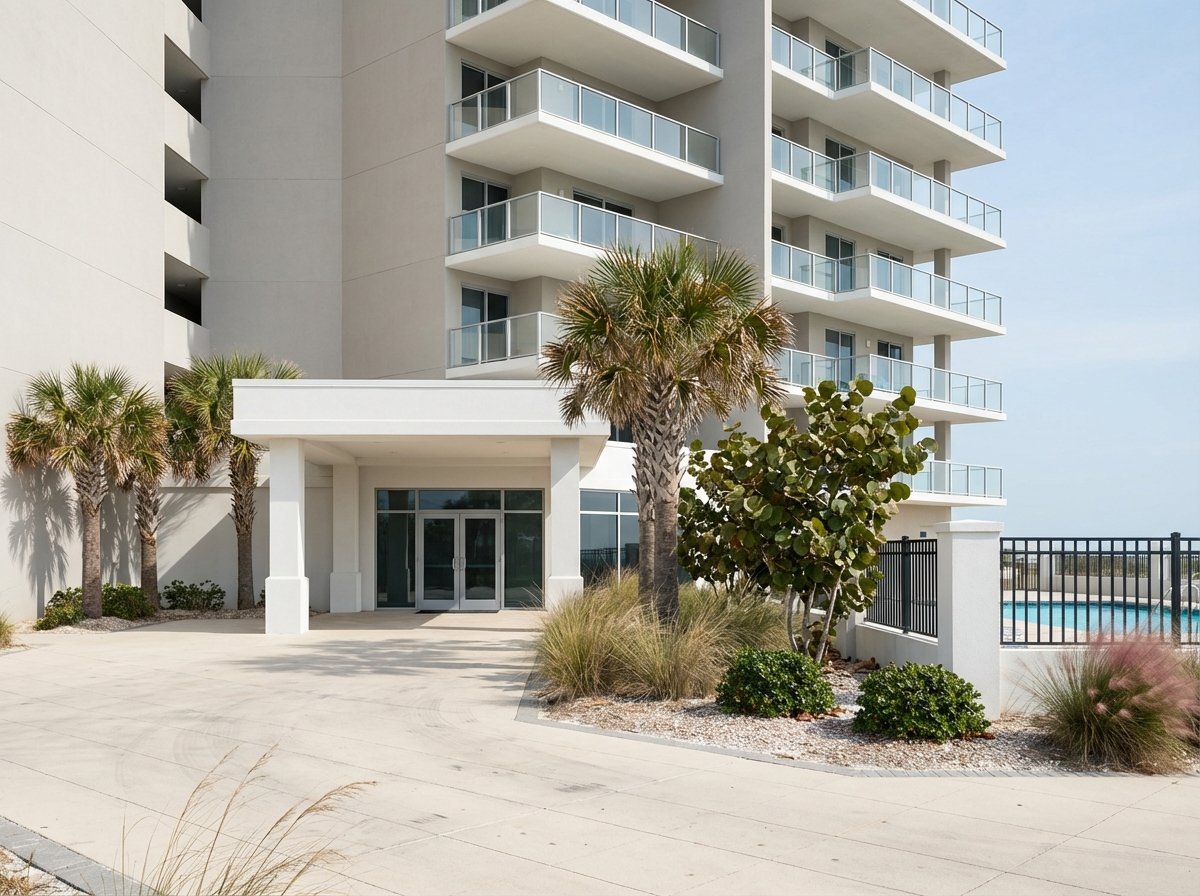
- Tourism and second homes: Proximity to the Gulf supports a strong condo and short-term rental market. Expect more seasonality for condos and vacation-oriented properties compared with in‑town single-family homes.
- Insurance and natural hazards: Wind, flood, and hurricane exposure affect premiums and lending. Rising insurance costs can narrow the buyer pool for certain coastal properties and shift some demand inland.
- Interest rates and affordability: Rate changes remain the biggest short-term demand lever. Lower rates tend to unlock pent‑up demand; higher rates can slow activity and sharpen price sensitivity.
- New construction and supply: Builder activity, zoning, and costs determine how much new supply comes online. More starts can ease pressure on resale appreciation over time; limited building keeps supply tight.
Product types: What behaves differently
Not all Fort Walton Beach properties move the same way. Your strategy should match your target property type.
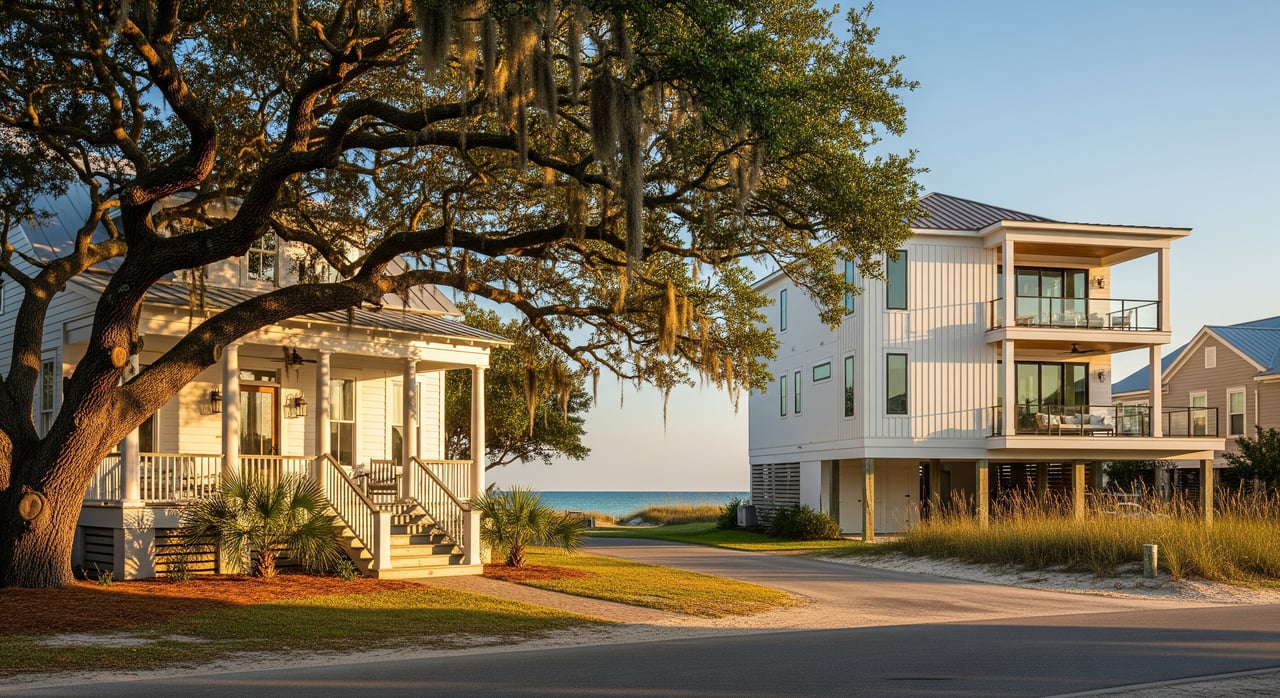
- Single-family homes: Favored by local households and military relocations. These areas often see steadier, year-round demand and faster absorption during PCS seasons.
- Condos near the beach: Influenced by tourism and investor activity. Expect more seasonality and different lending and insurance considerations. Off-season days on market can stretch compared with spring.
- Townhomes and newer subdivisions: Attractive to move-up buyers and newer military families who want lower maintenance with modern layouts.
- Short-term rental properties: Cash-flow buyers may pay premiums in high-tourism pockets. Returns can vary with occupancy and regulations, so underwriting needs to be careful and current.
Seasonality: Timing your move in 2026
Timing can affect traffic, negotiation power, and days on market.
- For sellers: Listing in late winter or early spring typically captures peak buyer interest, including snowbird season and transfer activity. Strong presentation and accurate pricing can pull in multiple offers when inventory is tight.
- For buyers: Late summer and fall can bring more negotiating leverage if inventory rises after peak season. If you are financing, watch rates and be pre‑approved so you can move quickly when the right home hits the market.
- For military moves: Align your home search or listing with PCS windows. Activity can jump as orders go out, which impacts days on market and competition near bases.
Neighborhood patterns to know
Fort Walton Beach includes a mix of coastal, in‑town, and inland pockets. Each tends to follow a slightly different rhythm.
- Coastal and near-beach areas: Higher price per square foot, more investor and second-home demand, and stronger seasonality. Insurance and lending requirements can be more complex.
- In‑town and base-adjacent areas: Steadier demand, stronger activity during PCS seasons, and a larger pool of primary-residence buyers.
- Emerging inland pockets: Often a value play for buyers priced out of the coast. These areas can draw rate-sensitive buyers seeking affordability.
What to watch: Key metrics and how to read them
Track these metrics monthly and compare 3-, 6-, and 12‑month trends so you see direction, not just a snapshot.
- Months supply of inventory: Under 3 months points to a seller’s market; 3 to 6 is more balanced; over 6 leans buyer‑friendly. Watch if supply is trending up or down.
- New listings and closed sales: Fewer new listings with steady sales means tightening. Rising inventory with slowing sales can signal cooling demand.
- Median sale price and price per square foot: Use the median to avoid outliers. Compare trends by property type and neighborhood to see where appreciation is strongest.
- Days on market and time to contract: Shortening timelines indicate accelerating demand; longer timelines suggest buyers have more room to negotiate.
- Sale-to-list price ratio: Numbers near or above 100 percent can suggest competitive bidding. Lower ratios indicate room for concessions.
- Absorption rate: Shows how fast current inventory would sell at the recent pace of sales. Faster absorption means tighter conditions.
Scenario planning: How to respond in real time
Use these common market setups to guide your next step.
Scenario A: Tight supply and rising prices
- Buyer moves: Get fully pre‑approved, review comps in advance, and be ready to write strong, clean offers. Expand your search radius or property type to find value.
- Seller moves: Favorable time to list. Price just below key thresholds to invite multiple offers. Prepare for shorter marketing time and faster closings.
Scenario B: Rising inventory and slower sales
- Buyer moves: Leverage the extra choice. Look for price reductions and sellers who need quick closings. Keep inspection and financing protections where prudent.
- Seller moves: Price competitively from day one. Improve staging, curb appeal, and marketing. Consider concessions that can help buyers with rate or insurance costs.
Scenario C: Condos cool, single-family holds
- Buyer moves: Condos may offer opportunity or financing hurdles. Analyze HOA health, building condition, and insurance carefully. Single-family may retain steadier demand.
- Seller moves: Condo sellers should plan for longer timelines and refine their target buyer. Emphasize cash flow potential for investors or lifestyle value for second-home buyers.
Insurance, flood, and financing checkpoints
Before you fall in love with a property, understand the risk and lending landscape.
- Flood and wind coverage: Premiums can change with new maps or carrier updates. Factor estimated costs into your monthly payment and investment returns.
- Lender requirements: Some coastal and condo properties require specific coverage and documentation. Ensure your lender is comfortable with the building, HOA, and location risk.
- Contingency planning: Give yourself time for insurance quotes, condo document reviews, and any inspections tied to risk.
Price bands: Entry, mid, and upper tiers
Price bands behave differently because they draw different buyers.
- Entry-level: Often sells faster in tight markets due to a larger buyer pool. Rate changes can quickly shift affordability here.
- Mid-market: Movement depends on local job stability, new-build competition, and neighborhood amenities.
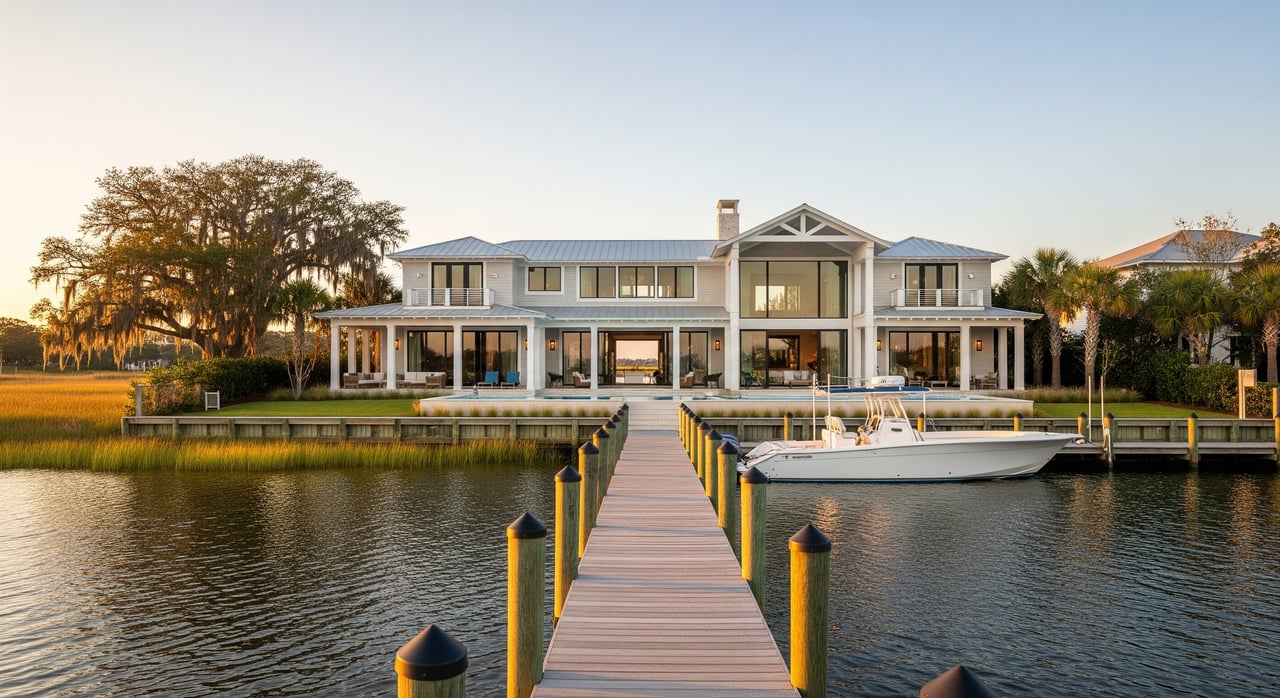
- Upper-tier and coastal condos: More sensitive to interest rates, insurance, and second‑home demand. Marketing and timing matter more in this segment.
Buyer playbook for 2026
Use this simple plan to compete without overreaching.
- Get pre‑approved early: Know your ceiling and payment comfort. Ask your lender for a cost breakdown that includes insurance.
- Narrow your must‑haves: Be flexible on cosmetic items. Focus on layout, location fit, and long‑term value.
- Track the metrics: Watch months supply, DOM, and sale-to-list ratios in your target neighborhoods. Adjust your offer strategy as conditions change.
- Prepare for speed: Have funds, paperwork, and inspection vendors lined up so you can act when the right home appears.
- Consider alternatives: If beachfront condos feel tight, look at in‑town units or single-family homes just inland that still offer quick beach access.
Seller playbook for 2026
A clear plan can pull more value from the market, even when conditions shift.
- Time your listing: Late winter and early spring often deliver more buyers. For condos, positioning before peak tourist season can attract investors.
- Price with purpose: Use recent neighborhood comps and price bands to set an asking price that invites traffic. Reassess quickly if showings lag.
- Market like a pro: Professional photos, compelling descriptions, and complete listing details help you stand out. Highlight updates, systems, flood zone info, and HOA details when relevant.
- Prepare for inspections: Service HVAC, address small repairs, and gather documentation. Fewer surprises mean smoother negotiations.
- Align with PCS cycles: If your home is near the bases, coordinate your go‑to‑market plan with transfer windows for added exposure.
How to read the next 3 to 12 months
No one can predict every twist, but you can make better decisions by watching trend direction.
- If rates drift lower: Expect more buyers to re‑enter, especially in entry and mid tiers. Prepare for faster DOM and firmer pricing.
- If insurance costs rise: Coastal and older properties may see thinner buyer pools. Inland neighborhoods may gather more attention.
- If new construction ramps up: Some price pressure can ease in resale, but location and condition will still set the pace.
- If base activity increases: Areas near Eglin and Hurlburt can see faster absorption, especially for well‑priced single-family homes and townhomes.
Your next step
You do not need to time the market perfectly to win. You need a plan that fits your goals, matched to the current signals. If you want a read on inventory, pricing, and timing for your specific neighborhood or building, connect with a local advisor who watches these data points week by week.
Ready to plan your move or listing strategy? Schedule a free consultation with Matthew Pace PA for a local, data‑driven game plan tailored to Fort Walton Beach.
FAQs
Is Fort Walton Beach a buyer’s or seller’s market right now?
- Check months supply, days on market, and sale-to-list ratios; under 3 months supply leans seller‑friendly, 3 to 6 is balanced, and over 6 tilts toward buyers.
How do condos compare to single-family homes in 2026?
- Condos near the beach are more seasonal and sensitive to financing and insurance, while single-family homes near bases tend to show steadier year‑round demand.
When is the best time to list my Fort Walton Beach home?
- Late winter to early spring often brings peak buyer traffic, while homes near bases can benefit from PCS transfer windows.
How do insurance and flood risk affect my purchase?
- Premiums and lender requirements can impact affordability and timelines; build in time for quotes, reviews, and any required coverage.
What metrics should I watch before making an offer?
- Track months supply, median price trends, days on market, and sale‑to‑list ratios in your target neighborhood and price band.
Is it a good time to buy a short‑term rental near the beach?
- It depends on occupancy, average daily rates, HOA and local rules, and insurance; model cash flow conservatively and verify building and policy requirements.