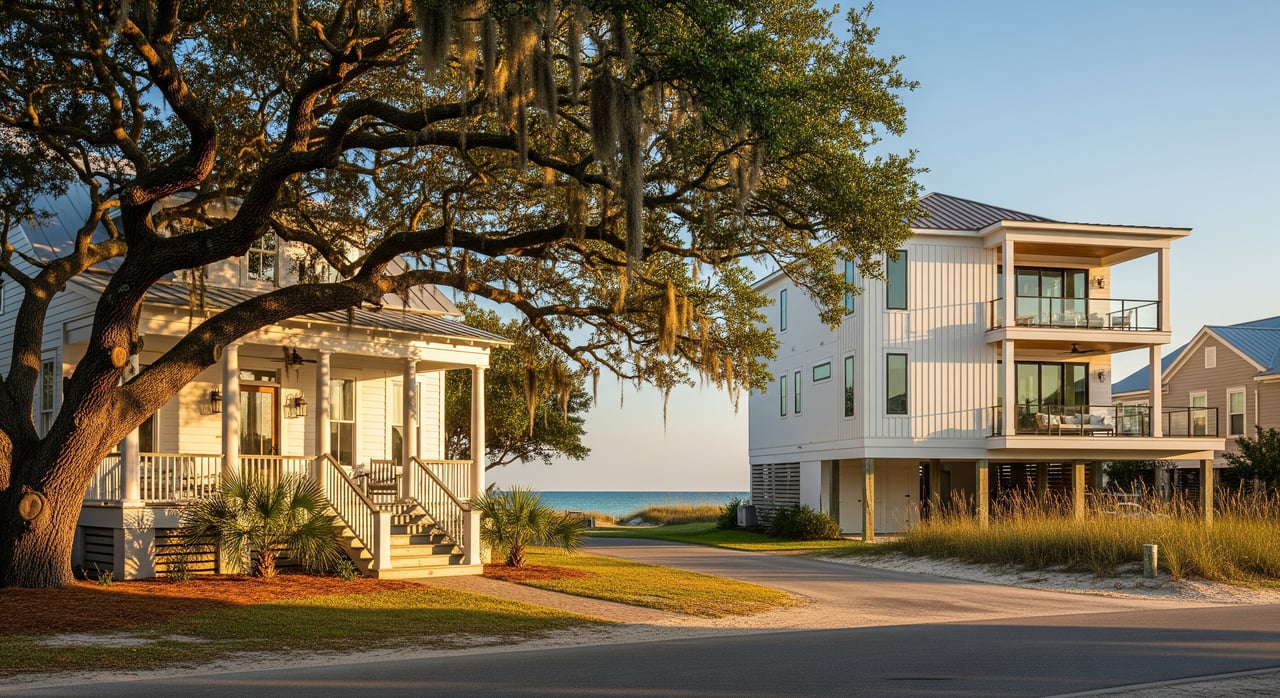
Torn between a shiny new subdivision and a classic Navarre neighborhood with mature trees? You’re not alone. Choosing where to focus your search shapes your daily routine, monthly costs, and long‑term value. In this guide, you’ll compare newer and established areas side by side and learn how to evaluate lots, commutes, flood risk, HOAs, and pricing so you can buy with confidence. Let’s dive in.
Newer vs established at a glance
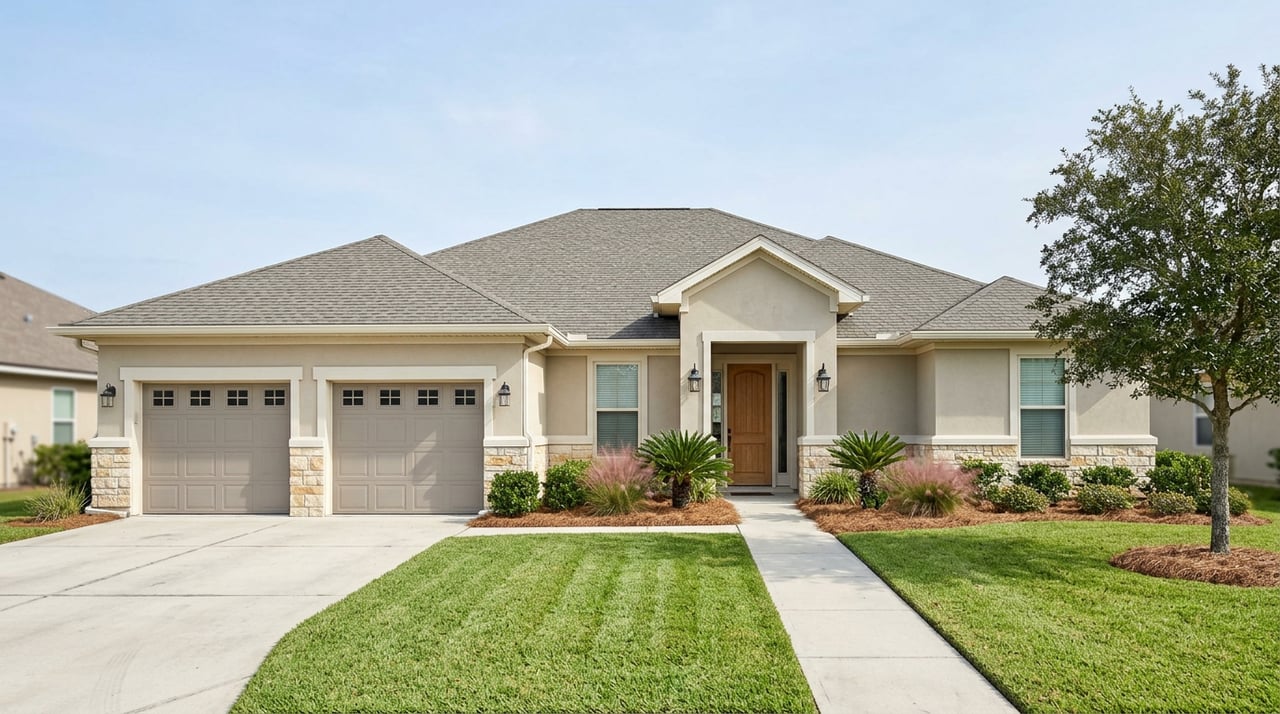
Newer neighborhoods
- Modern floorplans, energy‑efficient systems, and builder warranties.
- Smaller lots with uniform curb appeal and HOA amenities like pools or playgrounds.
- Often set near newer retail corridors; some sit farther inland, adding beach drive time.
- Built with recent codes and drainage plans, but you still need to verify flood zone per lot.
Established neighborhoods
- More variety in style and size, including ranch and coastal designs.
- Larger yards with mature landscaping and, in many cases, fewer HOA restrictions.
- Some pockets closer to long‑standing local businesses or beach access.
- Older roofs, HVAC, and finishes may need updating; due diligence matters.
Home styles and condition
Newer homes in Navarre typically offer open layouts, modern kitchens and bathrooms, and energy‑minded features like higher‑SEER HVAC, updated insulation, and efficient lighting. Builder warranties can add peace of mind during the first years of ownership.
Established areas can deliver more square footage variety and distinctive architecture. You may see classic ranch homes, raised coastal designs, and bungalows. The tradeoff is potential upgrades to roofs, HVAC, or cosmetic finishes over time.
What to check during your search:
- Year built and any recent renovations or permits.
- Roof age and material, HVAC age and SEER rating, and window type.
- Foundation and slab condition.
- Energy ratings or builder specs if available.
Lot size and outdoor space
Lot size is one of the biggest differences you’ll notice. Newer subdivisions often prioritize community amenities and efficient layouts, which can mean smaller, closely spaced lots. Landscaping is younger, and HOAs may have appearance standards.
Established neighborhoods frequently offer larger parcels and mature trees. If you want room for a pool, a workshop, or extra privacy, these areas can be attractive. Be sure to consider setbacks, drainage, and usable backyard depth.
Quick yard checklist:
- Typical lot dimensions and orientation.
- Presence of mature trees or screening for privacy.
- Irrigation and drainage patterns observed after rainfall.
- Space for future additions or outdoor living.
Commute and daily convenience
Many Navarre residents commute west toward Gulf Breeze and Pensacola or east toward Fort Walton and Okaloosa. U.S. Highway 98 (Navarre Parkway) is the main artery, and travel time depends on your exact location and time of day. Some newer developments sit along connector roads or farther north, which can change your route and timing.
How to test your commute:
- Map morning and evening drive times to your key destinations on multiple weekdays.
- Note proximity to grocery, medical services, and parks you plan to use often.
- Check for sidewalks or bike lanes if you prefer non‑car options for short trips.
Beach access and recreation
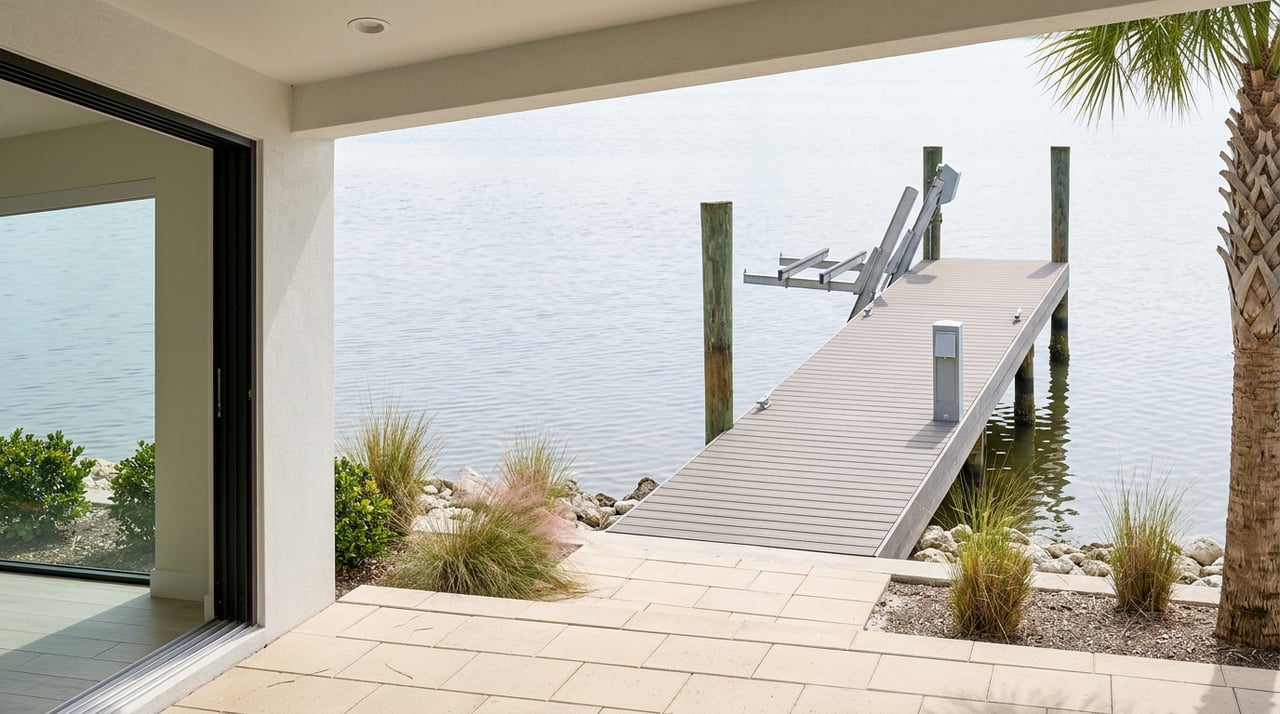
If beach time is a must, location matters. Navarre Beach and nearby shorefront areas mix older homes with newer rebuilds and condos. Inland neighborhoods can be about 5 to 15 or more minutes from beach parking depending on traffic.
Evaluate access like a local:
- Distance and typical drive time to public beach access and the fishing pier.
- Parking availability and costs at your favorite access points.
- Bike or pedestrian routes if you prefer not to drive on busy days.
Flood risk and insurance
Coastal communities can have very different flood risks within short distances. Low‑lying or waterfront parcels may carry higher flood insurance costs and stricter building requirements. Newer subdivisions often account for updated elevation and drainage, but flood zones still vary lot by lot.
Your flood due diligence:
- Look up the FEMA flood zone for each property and note any Base Flood Elevation.
- Review elevation information through county GIS resources when available.
- Ask for permit histories and any drainage improvements on older homes.
- Get sample insurance quotes early, since lender requirements and premiums depend on flood zone.
HOAs and maintenance
HOAs are common in newer Navarre communities. Fees typically support shared amenities and maintain common areas and design standards. Covenants can cover landscaping, exterior colors, and rental rules, including short‑term restrictions.
Older neighborhoods may have minimal or no HOA fees, which can mean more flexibility but fewer shared services. If you value uniform curb appeal and community amenities, an HOA can be a plus. If you prefer fewer controls and larger lots, established areas can fit.
What to review before you commit:
- Annual HOA dues and what they cover.
- Architectural guidelines and exterior maintenance rules.
- Any rental restrictions that could affect future plans.
- HOA reserve strength and history of enforcement.
Price and market context
Newer homes often command a premium for modern features, warranties, and energy efficiency. Established homes can trade at a lower price per square foot, especially if they need updates, but larger lots and renovation potential may boost long‑term value.
To compare fairly, look at matched properties. Review recent sales for similar bedroom counts, lot sizes, and locations. Track days on market and inventory trends in each area to understand competition and pricing power.
Buyer profiles and fit
Use these profiles to focus your search. Treat them as starting points, then verify details for specific streets and subdivisions.
Space and yard seekers
- Look to established inland neighborhoods with larger lots and mature trees. You’ll likely weigh upgrade costs against the value of extra outdoor space.
- Verify typical lot sizes, setbacks, and proximity to parks and services.
Turnkey buyers who want amenities
- Newer subdivisions often offer community pools, parks, sidewalks, and modern floorplans. Smaller lots keep exterior maintenance manageable.
- Review HOA dues, amenity access, and how close you are to retail and medical services.
Budget‑minded first‑time buyers
- Consider older homes with renovation potential or smaller homes in newer communities farther from the beach.
- Compare monthly costs, including HOA dues and projected repairs, before deciding.
Beach‑centric buyers and investors
- Properties near Navarre Beach and public access points minimize drive times. Confirm any short‑term rental regulations if that is part of your plan.
- Evaluate flood zones, parking, and seasonality before you buy.
Low‑maintenance downsizers
- Newer single‑level homes or smaller lots with HOA services can simplify upkeep.
- Confirm what the HOA maintains and the strength of reserves.
How to research your short list
You can move faster when you gather the right facts for each neighborhood you’re considering.
Property details
- Check the Santa Rosa County Property Appraiser for year built, parcel size, and assessed data.
- Confirm permit history with the county building department, especially for major renovations.
Maps and elevation
- Review Santa Rosa County GIS maps for parcel lines, plats, and elevation contours.
- Use the FEMA Flood Map Service Center to confirm flood zones and note Base Flood Elevation where applicable.
School attendance and services
- Reference the Santa Rosa County School District attendance maps and state school reports to understand zones and commute to schools.
Market data
- Pull recent comparable sales, days on market, and price per square foot through the local MLS. Compare newer and established areas with matched property types.
Insurance and risk
- Contact a local insurance agent for homeowners and flood insurance estimates based on each property’s location, construction, and elevation.
Commute and access
- Test drive times on weekdays to your key destinations and to Navarre Beach during off‑peak and busy periods.
Pro tip: Create a simple scorecard for each neighborhood with distance to the beach, typical lot size range, flood zone notes, HOA details, and recent sale prices. This makes apples‑to‑apples comparisons much easier.
Your next steps in Navarre
Comparing newer and established areas in Navarre is about tradeoffs. Newer subdivisions deliver convenience, modern systems, and amenities. Established neighborhoods offer character, larger lots, and flexibility. The right choice is the one that fits your lifestyle, budget, and risk comfort.
If you want a clear plan, schedule neighborhood drive tours, gather flood and insurance data early, and line up your pre‑approval. When you are ready for a local, hands‑on guide to help you compare options and negotiate confidently, connect with Matthew Pace PA.
FAQs
How far are newer inland Navarre subdivisions from Navarre Beach?
- Many inland communities sit about 5 to 15 or more minutes from beach parking depending on exact location and traffic; always test the drive at busy times.
Are newer Navarre homes more energy efficient than older ones?
- Typically yes; newer builds often include higher‑SEER HVAC, efficient lighting, and modern insulation, which can lower monthly utility costs compared to older systems.
Will I need flood insurance for a home near the water in Navarre?
- It depends on the FEMA flood zone for that address and your lender’s requirements; check the zone, elevation, and get sample quotes to understand potential premiums.
Do HOAs in new Navarre communities add significant costs?
- HOA dues vary by neighborhood and amenities; review what the fee covers, any rental rules, and reserve strength before you commit.
Do established Navarre neighborhoods usually have larger lots?
- Many established areas offer larger yards and mature trees compared to newer subdivisions; verify typical lot sizes and setbacks for each street.
Are newer subdivisions more expensive per square foot in Navarre?
- Often they are, due to modern features and warranties; compare matched recent sales by size, lot, and location to see the premium in your target area.
How can I compare school access without bias when choosing a Navarre area?
- Use official attendance maps and state school reports to see zones and commute times, then factor in your daily routine and transportation preferences.