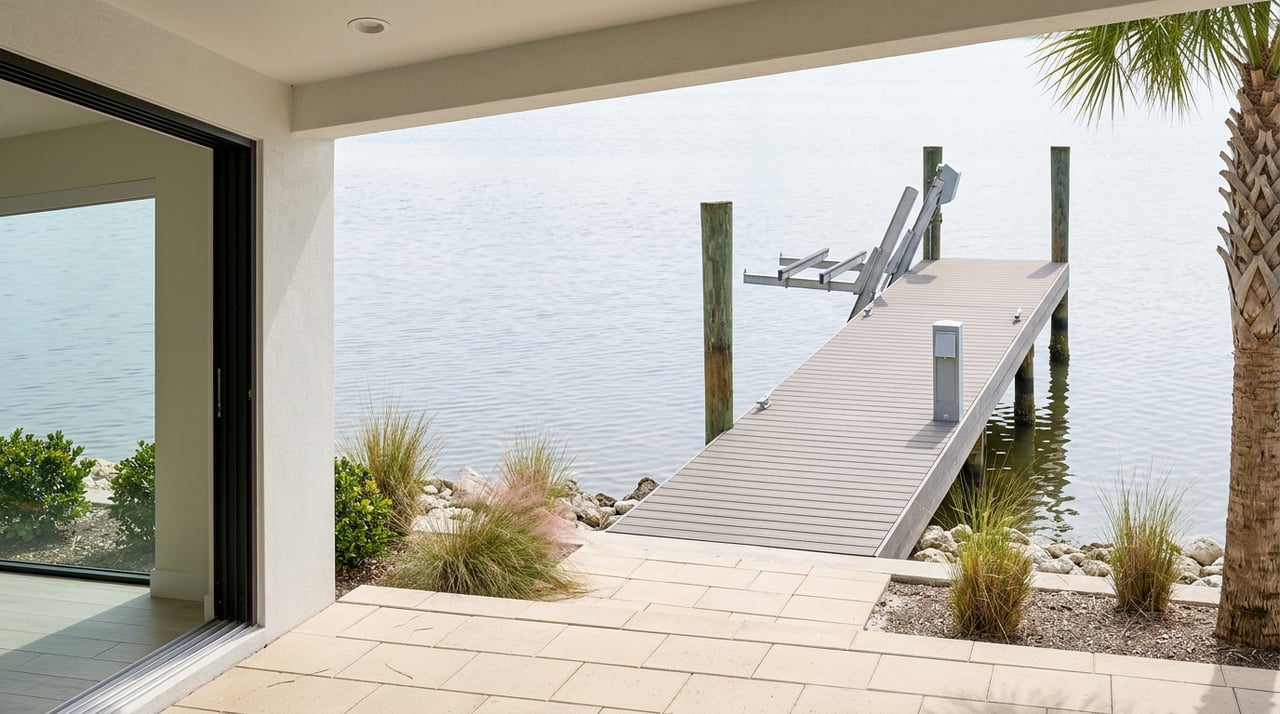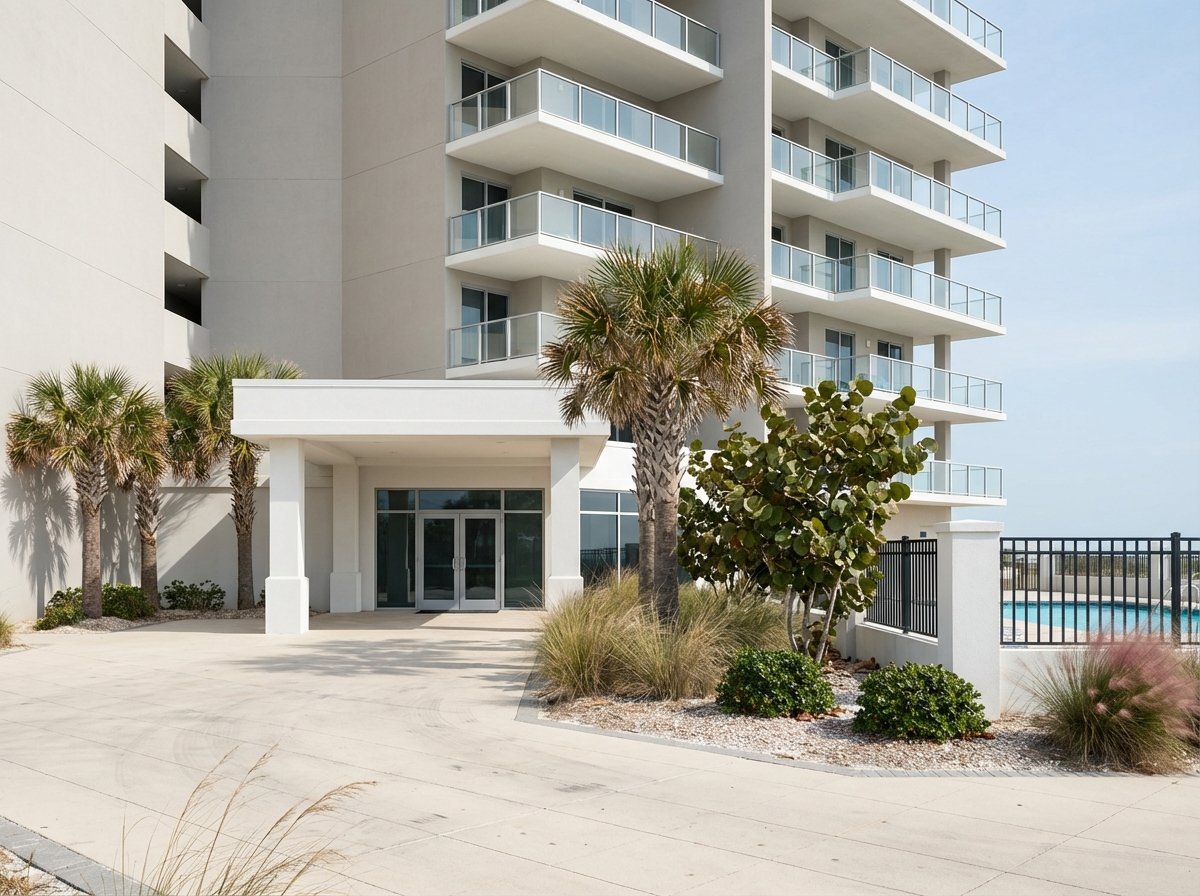
Thinking about a Navarre Beach condo and picturing morning walks on the pier and sunset views over the Gulf? You’re not alone. Condos on this barrier island offer an easy, low‑maintenance lifestyle, but coastal buildings come with unique rules, costs, and due diligence steps that can surprise buyers. In this guide, you’ll learn the key checks that protect your budget and your peace of mind, plus a simple way to compare buildings side by side. Let’s dive in.
Why Navarre Beach condos are unique
Navarre Beach sits on Santa Rosa Island, a narrow barrier island with gorgeous Gulf frontage and sound‑side water views. That beauty comes with real coastal exposure that affects flood risk, insurance options, and long‑term maintenance needs. Buildings face salt‑air corrosion, wind, and storm surge, so you should expect more frequent exterior upkeep and higher insurance sensitivity than inland condos.
Local permitting recognizes the island’s higher risk profile. Santa Rosa County treats V‑zone sites with additional requirements like elevation certificates and proof of breakaway walls. If you are evaluating a specific address, confirm the flood zone and elevation early and review local permitting expectations using the county’s checklist for V‑zone projects referenced in the permit application guidance. You can also use FEMA’s Map Service Center to look up a property’s flood zone.
New Florida condo rules to know
Florida updated condo safety laws, and those changes directly affect older beachfront buildings. You will see new reports, new disclosures, and sometimes higher fees as associations plan for structural needs.
Milestone inspections and SIRS
State statute requires milestone inspections for condominium and cooperative buildings that are three stories or higher once the building reaches 30 years of age, then every 10 years. The law outlines a two‑phase process that starts with a visual review and can move to a deeper structural evaluation if needed. Local building officials can require earlier timelines for coastal buildings. You can read the statute on mandatory milestone inspections and the Division of Condominiums’ SIRS and milestone FAQs.
Associations that control three‑story or taller buildings must also complete a Structural Integrity Reserve Study, or SIRS. The study identifies key components to reserve for, such as roofs, structural elements, and elevators, and it informs the association’s budget. Recent changes limit an association’s ability to waive funding for specific structural items, which is important for buyer budgeting.
What this means for your budget
If a building on Navarre Beach is near or past a milestone deadline, expect engineering reports, reserve planning, and sometimes special assessments. Florida also updated disclosure requirements so buyers are entitled to receive inspector‑prepared summaries of milestone inspections and the most recent SIRS when applicable. In practice, you should request these reports upfront so you can estimate near‑term repair plans and reserve contributions before you lock in your offer.
HOA fees, maintenance, and reserves
Your monthly association fee often covers exterior building maintenance, roof and elevator upkeep, common‑area utilities, landscaping, trash, pool and amenity care, management, master property insurance, and contributions to reserves. Exact inclusions vary by each condo declaration and budget.
Under Florida’s Condominium Act, associations maintain the common elements and carry property insurance for the condominium property. Owners are usually responsible for interior finishes and personal property, which are typically excluded from the master policy. Review the statute on insurance and disclosures in Chapter 718 and confirm line‑item details in the most recent budget before you buy.
Amenity‑rich buildings often have higher routine costs and larger reserve needs. Lower‑fee buildings may leave more items to owners or operate with thinner reserves. Weigh the lifestyle benefits against the potential for special assessments when comparing options on the island.
Flood risk and insurance on the island
Flood insurance is separate from wind or hazard insurance. Many Navarre Beach buildings fall within high‑risk FEMA flood zones, which can drive lender requirements and total cost of ownership. Use the FEMA Map Service Center to verify the flood zone for a specific address and ask the association for elevation certificates when a building sits in a V or VE zone.
Florida’s broader insurance market has also been volatile, with higher premiums and stricter underwriting that can affect association budgets and owner costs. Associations that face large wind or hurricane deductibles or insurance nonrenewals can be forced to levy special assessments. For market context on rising costs, see reporting on Florida’s property insurance conditions in recent AP News coverage. Always review the association’s certificate of insurance, deductible amounts, and recent renewal history before you proceed.
Short‑term rentals and local taxes
Investors and second‑home buyers should verify rental permissions early. State law requires DBPR vacation‑rental licensing when you operate a short‑term rental, and Santa Rosa County collects a Tourist Development Tax. Many associations restrict rentals, such as minimum term rules or caps. Before assuming any income, confirm state licensing needs, county TDT registration, and the association’s leasing rules. A practical overview is available in this Navarre Beach short‑term rental and licensing guide.
If rentals matter to your plan, ask for proof of any existing registrations and past TDT filings from the seller. Do not assume a booking platform collects all local taxes. Confirm how taxes are remitted and who is responsible in your case.
Financing your condo purchase
Conventional lenders evaluate the building itself, not just your credit. Fannie Mae and Freddie Mac use project reviews to determine if a condo is warrantable. Factors like reserves, owner‑occupancy, litigation, and structural reports can affect approval. Ask your lender how they will review the project and whether they will use Fannie Mae’s Condo Project Manager.
If you plan to use FHA or VA financing, verify project status early because approvals can take extra time. FHA offers single‑unit approvals in some cases, but project conditions still matter. You can review FHA’s overview of condo approvals on the HUD resource page.
Common red flags for lenders include low reserves, high delinquency rates, unresolved structural issues, or master‑policy insurance problems. With new state requirements around milestone and SIRS reports, lenders are looking more closely at project‑level documentation. Build time into your contract for a full project review.
Smart due diligence checklist
Request these items as early as possible. They will save you time and help your lender.
- Governing documents: declaration, bylaws, rules and regulations. See disclosure obligations in Chapter 718.
- Financials: the most recent budget and 2 to 3 years of financial statements.
- Engineering: the latest SIRS and any milestone inspection summary for three‑story or taller buildings. See state requirements in F.S. 553.899 and the DBPR FAQs.
- Insurance: the association’s certificate of insurance, including wind and hurricane deductibles, plus recent renewal notices.
- Meetings and assessments: 12 months of board minutes and notice of any special assessments in the last 3 to 5 years.
- Legal and claims: a list of pending litigation and open insurance claims.
- Occupancy and leasing: the current owner‑occupancy percentage and a copy of the leasing policy.
- Flood and elevation: FEMA flood zone, any elevation certificates, and recent flood premiums for the building.
- Age and milestones: proof of the building’s certificate of occupancy date to confirm milestone timelines.
Simple way to compare buildings
Use a quick scoring framework to compare communities on or near the beach. Rate each category from 1 to 5, then compare totals.
- Structural and inspections. Are SIRS and milestone inspections current, with no major Phase 2 issues? How old are the roof, balconies, and elevators? Use milestone and SIRS docs for clarity.
- Financial health. Are reserves close to the SIRS targets? Any recent special assessments or high delinquency rates? Review audited financials and minutes for details.
- Insurance profile. Are master policy limits adequate, with reasonable wind or flood deductibles and stable premiums? Ask for renewal histories and limits.
- Governance and transparency. Are minutes detailed and timely? Is management responsive and compliant with disclosure rules in Chapter 718?
- Use profile and rental rules. Does the owner‑occupancy ratio align with your financing needs? Are leasing rules compatible with your intended use and state or county registration expectations highlighted in the Navarre rental guide?
- Location and hazard exposure. Gulf vs sound orientation, parking, beach access, FEMA flood zone, and likely insurance and mitigation needs. Confirm with FEMA maps and any elevation certificates.
A simple grid by building helps you spot strong candidates quickly and flags where to dig deeper.
Timeline: from interest to closing
- Before you write an offer. Ask for the association packet and confirm if any milestone or SIRS deadlines are near. Start a lender conversation that includes condo project eligibility and the building’s documentation.
- Under contract. Include a condo project review and document review contingency. If a recent milestone report shows issues, consider hiring an engineer for a second look while your lender completes the project review.
- Before closing. Verify master policy coverage, owner policy needs, flood coverage requirements, and any pending special assessments. If you plan to rent short term, confirm state licensing and county TDT registration are in place.
When to reconsider a deal
Walk away or renegotiate if you see any of the following:
- The association refuses to provide required SIRS or milestone documents, or a recent Phase 2 report shows significant unresolved structural issues.
- Very low reserves and a large capital project without a clear funding plan.
- Master policy nonrenewal or very high wind or hurricane deductibles that could increase special assessment risk.
- Ongoing structural litigation that limits financing or insurability.
- Lender feedback that the project will be treated as non‑warrantable with no viable financing path for your loan type.
Local insurance and responsibility basics
Associations in Florida carry property insurance for the condominium property and fidelity coverage for those handling funds. Owners typically cover interior finishes and personal property via an HO‑6 policy. Review statutory insurance responsibilities in Chapter 718, then match those rules to your building’s current policy and deductible terms. Ask the association for the current certificate of insurance and a summary of the last renewal.
Ready to explore Navarre Beach condos?
With the right plan, you can enjoy the beach lifestyle while avoiding costly surprises. Focus on structural reports, reserves, insurance, rental rules, and financing pathways before you write an offer. If you want help pulling the right documents, interpreting reports, or building your short list, connect with a local pro who knows the island.
Have questions about a specific building or need a second opinion on a SIRS or milestone report? Schedule a free consultation with Matthew Pace PA to get tailored guidance for your goals on Navarre Beach.
FAQs
What are milestone inspections for Florida condos?
- Florida requires periodic engineering inspections for three‑story or taller condo and cooperative buildings beginning at 30 years of age and every 10 years after. Read the statute on milestone inspections.
How do SIRS reports affect Navarre Beach condo fees?
- Structural Integrity Reserve Studies identify components that must be funded in reserves, which can increase monthly fees or trigger special assessments to meet targets. See the DBPR SIRS FAQs.
What does an HOA fee usually cover in coastal condos?
- Fees often include exterior maintenance, elevators, common utilities, amenities, management, master property insurance, and reserves. Verify inclusions and disclosures in Chapter 718 and the current budget.
How can I check a Navarre Beach property’s flood risk?
- Search the address on FEMA’s Map Service Center to confirm the flood zone and ask the association for any elevation certificate. Start with the FEMA maps.
Can I run a short‑term rental in a Navarre Beach condo?
- It depends on your association’s rules plus state and county requirements. Review leasing policies, state DBPR licensing needs, and Santa Rosa County TDT registration. See this Navarre STR licensing guide.
Will lenders approve loans for any condo building?
- Not always. Lenders review the project for reserves, litigation, insurance, and occupancy. Ask your lender about using Fannie Mae’s Condo Project Manager and build time for a project review.
Why are Florida condo insurance costs rising?
- Market volatility and higher hurricane‑related expenses have increased premiums and deductibles for many associations, which can raise owner costs. For context, see AP News coverage on insurance trends.