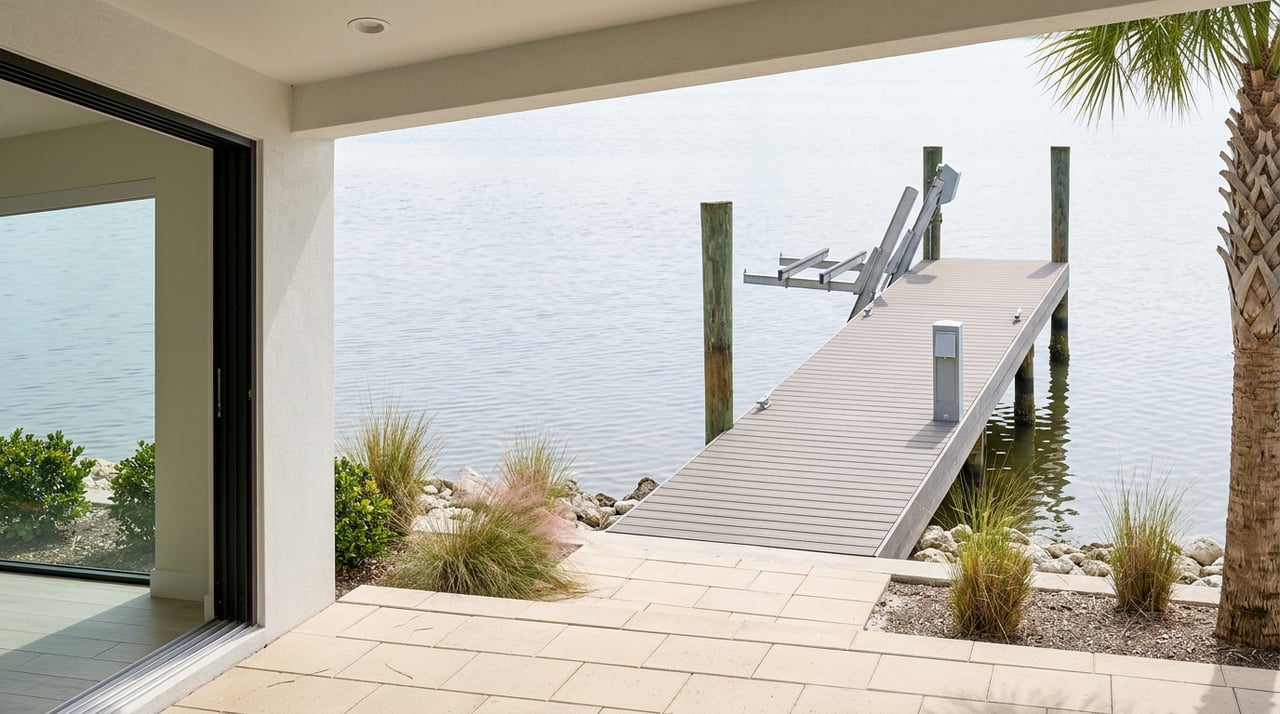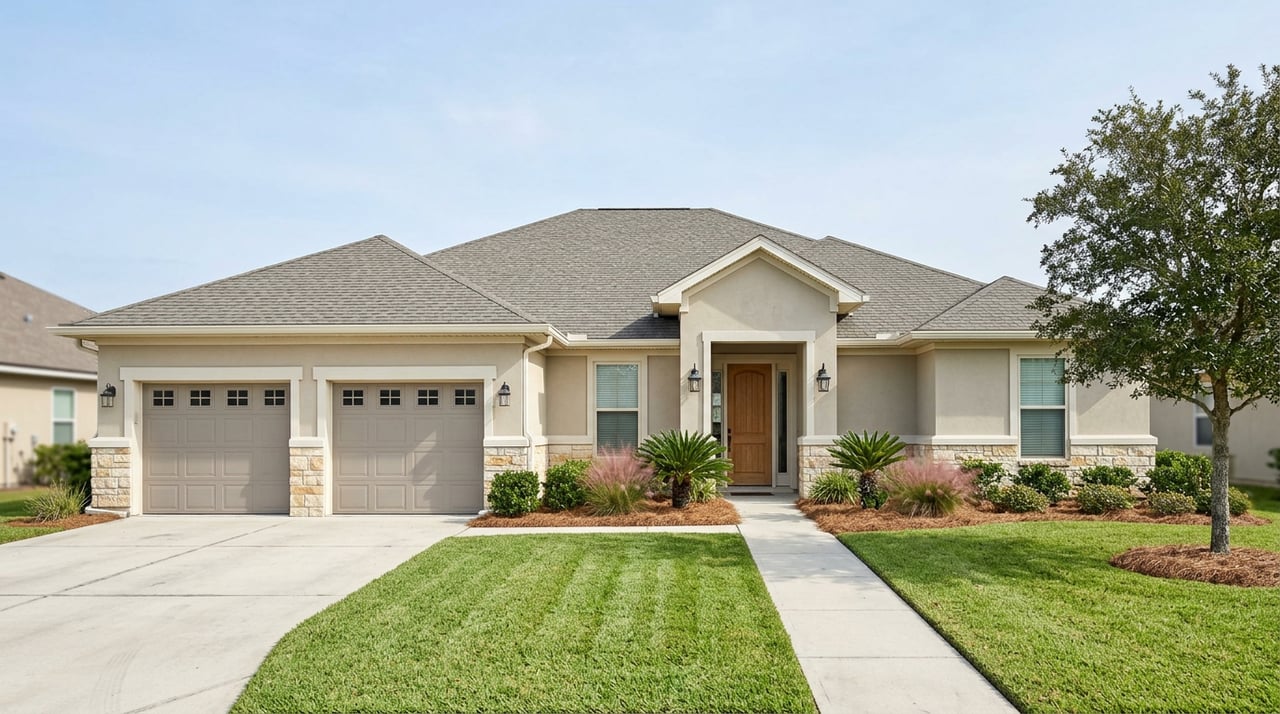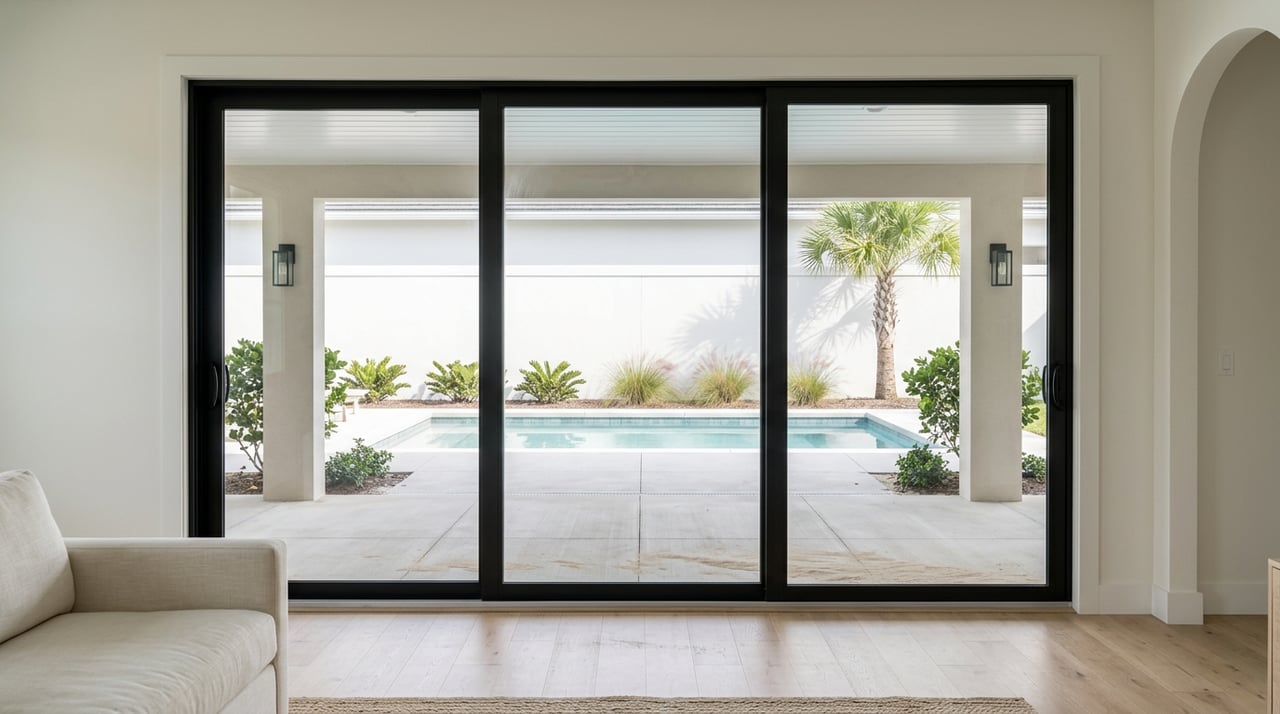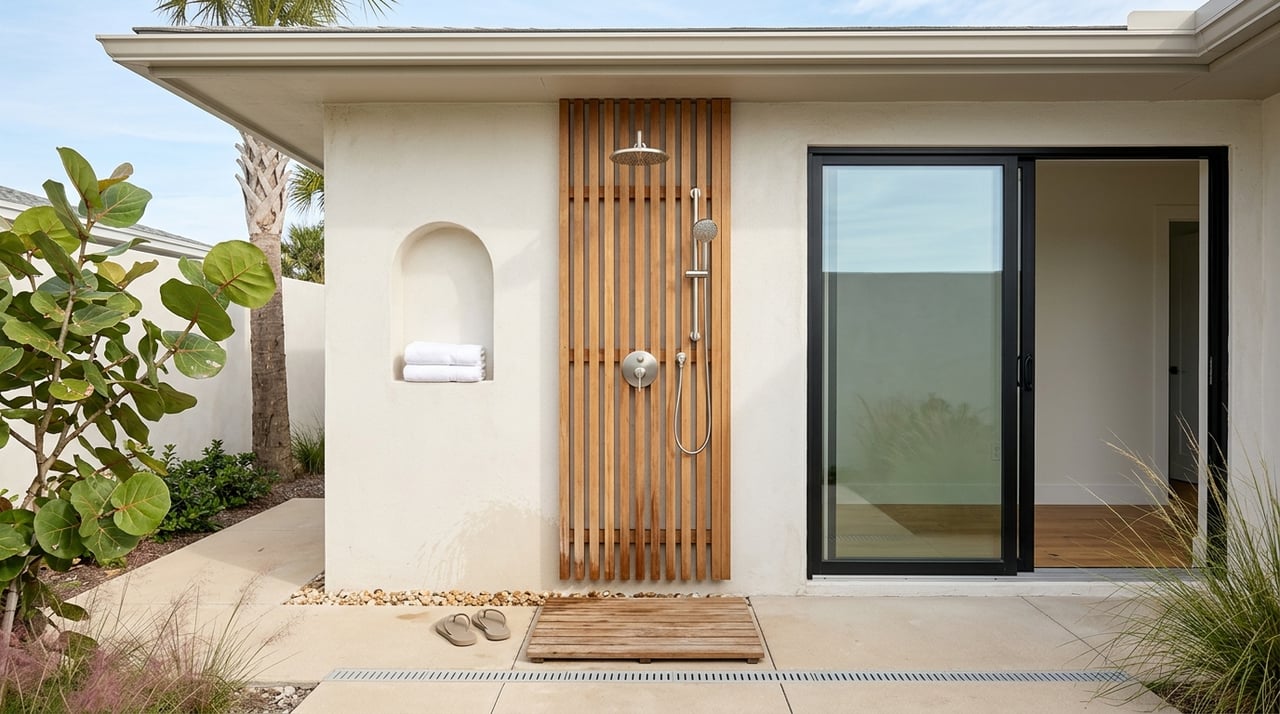
If you have ever wondered whether Navarre Beach is more than a vacation backdrop, the short answer is yes. Full-time life here can feel peaceful, scenic, and refreshingly simple, but it also comes with real day-to-day routines that are unique to barrier-island living. If you are thinking about making Navarre Beach your primary home, this guide will help you picture what everyday life actually looks like. Let’s dive in.
Living on Navarre Beach Year-Round
Living on Navarre Beach means living on the barrier-island portion of Santa Rosa County, between protected areas of the Gulf Islands National Seashore and connected by the Navarre Beach Causeway and Bob Sikes Bridge. According to the Santa Rosa County Comprehensive Plan, the area is largely built out, which gives it a more established feel than a brand-new growth corridor.
That matters when you are deciding whether the area fits your lifestyle. You are not moving into a typical master-planned subdivision environment. Instead, you are choosing a coastal setting with a mix of single-family homes, townhomes, duplexes, and condominiums shaped by long-standing development patterns and lease-based planning rules.
Housing Feels Different Here
One of the first things full-time residents notice is that housing on Navarre Beach is varied. The county’s land-use framework allows for several residential formats, including single-family homes and multi-family options such as townhomes and condos, according to the current comprehensive plan.
That mix gives you options, but it also means no two properties are exactly alike in how they function. Some buyers may prefer a detached home with more privacy, while others may want a condo or townhome that offers a simpler maintenance routine. Since the county notes that development can be limited by existing lease agreements, it is important to review property tenure carefully before you buy.
Beach Access Is Part of Daily Routine
A big part of everyday life on Navarre Beach is understanding that the shoreline is managed public space, not an extension of your backyard. Santa Rosa County asks residents and visitors to leave only footprints, remove personal items by the end of the day, and avoid things like glass, fires, overnight parking, camping, and leaving belongings on the beach overnight, as outlined on the Navarre Beach Department page.
In practical terms, that means your beach days usually start with checking conditions and heading out through public access points. It is a relaxed rhythm, but it is still a shared coastal environment with rules that help protect the beach and keep it usable for everyone.
Recreation Becomes a Normal Part of the Week
When you live here full-time, recreation is not just for weekends or houseguests. It becomes part of the regular flow of life. The county provides beach safety details, maps for dune walkovers and lifeguard towers, artificial reef information, pavilion reservations, and even live beach cams through the Navarre Beach Department.
That kind of access makes it easier to build the beach into your daily or weekly routine. You might start the morning with a shoreline walk, check surf conditions before heading out, or plan around weather and beach conditions the same way other people plan around city traffic.
The Pier Is a Local Landmark
The Navarre Beach Pier is one of the clearest examples of how recreation blends into normal life here. Santa Rosa County describes it as the longest pier in Florida and the Gulf of Mexico at 1,545 feet long and 30 feet above the water, with year-round access, fishing, a bait-and-tackle shop, an outdoor restaurant, and wide sunset views.
For full-time residents, the pier is not just a place to visit once. It can become part of your routine, whether that means fishing regularly, taking a walk, meeting friends, or simply enjoying the view after work.
Expect a Car-Based Lifestyle
Navarre Beach is scenic, but it is not set up like a dense urban district. Santa Rosa County notes that its fixed-route transit pilot ended in 2012, and current transportation support is primarily paratransit for eligible residents, as shown on the county’s Transit page.
For most people, everyday errands and commuting are car-based. That includes trips off the island for groceries, appointments, work, and many routine services. If you are moving from a place with strong public transit or highly walkable commercial districts, this is an important lifestyle difference to understand upfront.
Utilities and Services Are More Practical Than Flashy
Barrier-island living sounds remote, but the basics are in place. Santa Rosa County states that Navarre Beach is served by the county’s only water and wastewater system, and septic tanks are not installed or permitted, according to the comprehensive plan.
For service setup and utility questions, residents use Navarre Beach Utilities. The island also has county beach management contacts on Utility Drive, which means some practical support is available locally even though Navarre Beach is not a heavy commercial hub.
Weather Shapes the Way You Live
Life on Navarre Beach is closely tied to weather patterns. NOAA’s 2023 Pensacola climatological summary reports that the Gulf helps moderate temperatures, with summer averages around 80°F and winter averages in the low to mid-50s. The same summary notes that temperatures at or above 90°F happen about 39 times per year, and summer sea breezes are common, according to NOAA climate data.
That climate is part of the appeal, but it also affects how you plan your day. You may schedule walks earlier in the morning during summer, keep an eye on changing conditions, and get used to a seasonal rhythm that feels very different from inland markets.
Hurricane Season Is Part of the Calendar
If you live on Navarre Beach full-time, storm awareness becomes normal, not optional. NOAA’s National Hurricane Center says Atlantic hurricane season runs from June 1 through November 30, with peak activity typically from mid-August to mid-October, as reflected in the same NOAA climate summary.
Santa Rosa County also emphasizes that flood zones and evacuation zones are not the same, and property owners should check both. On the county’s Flood Zones Versus Evacuation Zones page, the county notes that homes in high-risk flood areas with a mortgage must carry flood insurance.
Barrier-Island Maintenance Is Real Life
One of the most important things to understand about full-time life here is that the beach itself is dynamic. Maintenance and restoration projects are part of protecting the shoreline, dunes, and infrastructure. After Hurricane Sally, a major Navarre Beach restoration project replaced sand, restored dune vegetation, and temporarily closed 4,500 feet of beach during construction.
That does not mean everyday life is constantly disrupted. It does mean that residents learn to adapt to periodic changes in access, maintenance work, and coastal conditions. Living here full-time comes with flexibility as well as beauty.
The Broader Community Supports Daily Life
While Navarre Beach has a distinct identity, it is part of a larger Navarre community rather than a stand-alone outpost. The U.S. Census Bureau reports that Navarre had a population of 40,817 in 2020, an owner-occupied housing rate of 82.1%, and a mean travel time to work of 31.4 minutes, according to Navarre census data.
Those numbers help explain the rhythm of year-round life. Many residents enjoy a coastal home base while still relying on the larger surrounding area for work, errands, and services. It is a lifestyle that blends beach access with a practical connection to the mainland community.
Who Full-Time Navarre Beach Living Fits Best
Navarre Beach can be a strong fit if you want a coastal lifestyle and understand the tradeoffs that come with it. It may appeal to buyers who value scenery, water access, recreation, and a more established beach setting over the convenience of a dense commercial district.
It can also work well if you need reliable internet and a residential base that feels connected to the broader Navarre area. The Census Bureau reports that 97.8% of households in Navarre have a broadband subscription, and the area also shows relatively high owner occupancy and established housing costs in the surrounding community, based on Census QuickFacts.
The Real Tradeoff of Living Here
The biggest tradeoff is simple: you get a beautiful, beach-centered lifestyle, but you also need to think like a full-time coastal resident. That means paying attention to weather, understanding flood and evacuation planning, driving for many daily needs, and being realistic about property details like housing type, maintenance needs, and lease terms where applicable.
For many people, that tradeoff is well worth it. If you want everyday life to include shoreline walks, year-round pier access, and a setting that feels more like a retreat than a routine subdivision, Navarre Beach can offer something special.
If you are weighing whether full-time life on Navarre Beach matches your goals, local insight matters. Matthew Pace PA can help you understand the differences between property types, location tradeoffs, and what to look for before you make a move. Schedule a free consultation when you are ready to talk through your options.
FAQs
Can you live on Navarre Beach full-time?
- Yes. Navarre Beach supports full-time residential living, with county-managed water and wastewater service and a mix of residential housing types, according to Santa Rosa County planning documents.
What housing types are available on Navarre Beach?
- Santa Rosa County’s land-use plan allows single-family homes as well as townhomes, duplexes, triplexes, quadplexes, and condominiums, depending on the property and zoning category.
Is daily life on Navarre Beach walkable for errands?
- Daily life is more beach-oriented than service-dense, and most errands and commuting are typically car-based because fixed-route public transit is limited.
What should buyers know about Navarre Beach property ownership details?
- Buyers should review property tenure carefully because county planning documents note that development on Navarre Beach is limited by existing lease agreements tied to specific properties.
What weather patterns affect full-time life on Navarre Beach?
- Residents typically plan around warm summers, mild winters, sea breezes, and hurricane season, which officially runs from June 1 through November 30.
What is the biggest adjustment for full-time Navarre Beach residents?
- The biggest adjustment is balancing the benefits of beach living with storm readiness, flood and evacuation planning, limited transit, and occasional beach maintenance or restoration activity.